
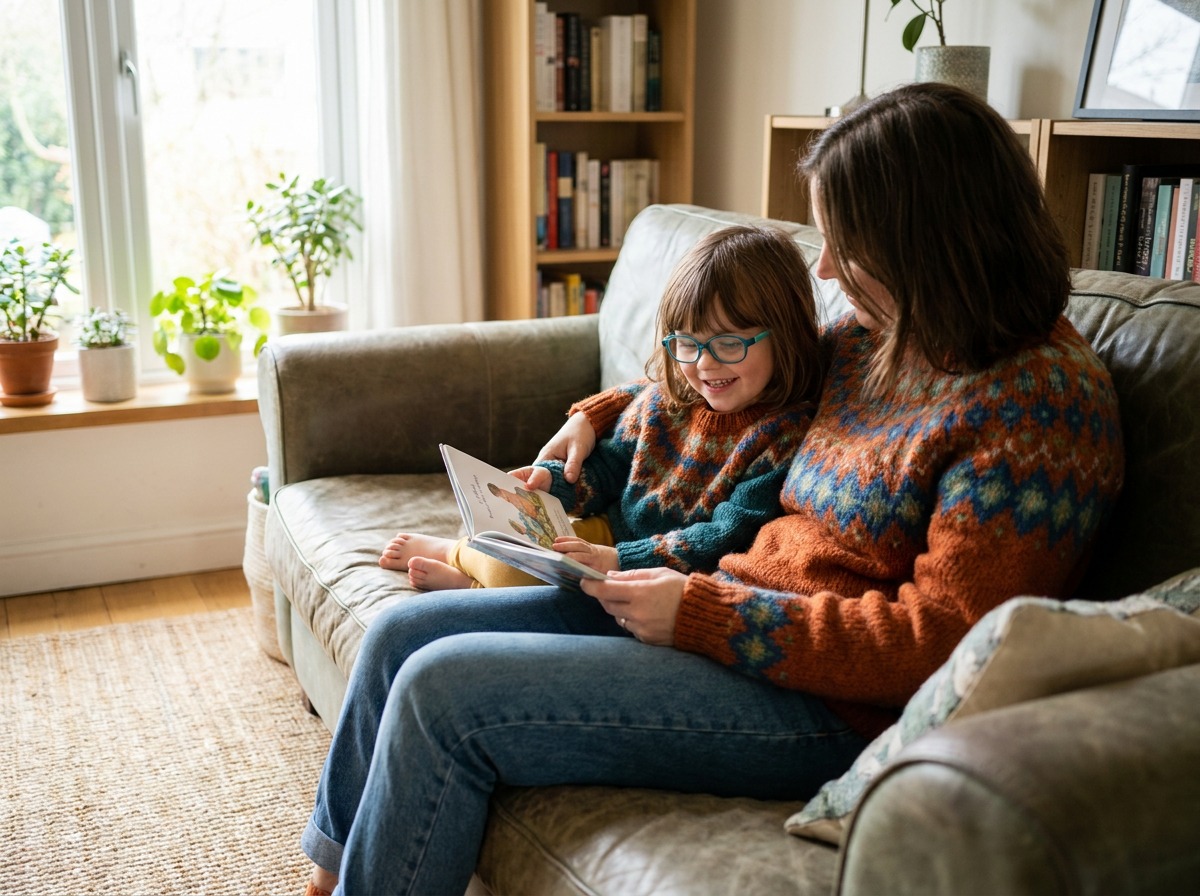
Children don't always realize when their vision is off. Instead, you might notice your child squinting to see the board at school, rubbing their eyes, or complaining about headaches.
Knowing the signs of common childhood eye problems can help you recognize when it's time for an eye exam. Here are five conditions parents should watch for and how an eye doctor can help.
Common Vision Problems That Can Affect Your Child's Eyesight
Vision problems can affect how children read, learn, and participate in everyday activities. Three common conditions are myopia, hyperopia, and astigmatism. These are refractive errors that occur when light doesn't focus properly inside the eye.
1. Myopia (Nearsightedness): Difficulty Seeing Distant Objects
Myopia (my·oh·pee·uh), commonly called nearsightedness, makes distant objects appear blurry while nearby objects remain clear. It often develops during childhood and may progress as your child grows.
You might notice your child squinting to see distant objects, sitting closer to the TV, or struggling to read the board at school. Prescription glasses or contact lenses can correct blurry vision, while certain myopia management treatments may help slow its progression.
2. Hyperopia (Farsightedness): Eye Strain, Headaches, and Reading Difficulties
Hyperopia (high·per·oh·pee·uh), or farsightedness, can make it difficult to focus on nearby objects. Depending on the severity, it may also affect distance vision.
Children with farsightedness may experience headaches, eye strain, or difficulty concentrating while reading. Some children have no noticeable symptoms because their eyes can compensate for the condition.
An eye exam can determine whether your child needs prescription glasses to see more comfortably.
3. Astigmatism: Blurry Vision at Any Distance
Astigmatism (uh·stig·muh·tizm) is a common vision condition that can cause blurry or distorted vision at both near and far distances. It occurs when the cornea, the clear front surface of the eye, or the lens inside the eye has an uneven curvature.
Children with astigmatism may squint, rub their eyes, or complain of headaches and eye fatigue. Prescription glasses can usually correct their vision, while contact lenses may be an option for some children.
